


abc8 | Exploring the Fascination of Interactive Stories: The Digital Era of Storytelling
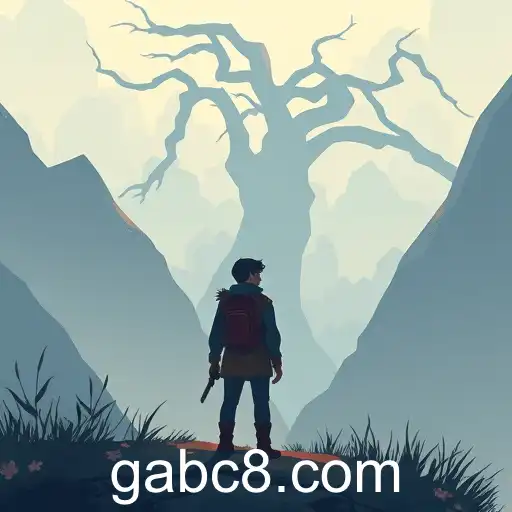
In the ever-evolving world of digital entertainment, Interactive Stories have carved a unique niche that offers players more than just passive observation. Defined by the integration of player choice within the narrative structure, these stories ensure that each decision potentially alters the course of the game, leading to multiple possible endings. This style of storytelling has captivated audiences by combining the traditional elements of narrative with interactive gameplay, creating a hybrid form of entertainment that stands apart from conventional video games or linear storytelling.
The rise of platforms that support user-driven experiences has played a significant role in the popularity of Interactive Stories. Keywords like "abc8" serve as gateways for enthusiasts searching to indulge in this engaging form of storytelling. These platforms offer a plethora of narratives, ranging from romance and adventure to fantasy and thriller, ensuring a diverse selection that caters to varying tastes and preferences. The ability to have a hand in dictating the protagonist's journey attracts players who desire not just to observe a story but to be an integral part of it.
A pivotal aspect of Interactive Stories is their ability to foster emotional investment. The choices players make can lead to complex character development and branching plot lines that reflect real-life decisions and consequences. This mimics real-world dynamics and often results in richer storytelling experiences that standard formats may fail to achieve. It's this connection that continues to fuel the genre's growth and maintains player engagement over extended durations.
Beyond entertainment, Interactive Stories have also emerged as effective educational tools. By simulating decision-making processes and ethical dilemmas, they provide a dynamic environment for teaching critical thinking and empathy. This adaptability further solidifies their place not just in gaming, but in broader educational spheres as well.
As technology advances, so too does the potential for more sophisticated Interactive Stories. With the integration of artificial intelligence and more immersive virtual environments, the future of this genre promises even more personalized and intricate narrative possibilities. The opportunity for deeper integration of player feedback into game development continues to push the boundaries of what these stories can offer.
In conclusion, Interactive Stories are more than just a game category; they represent a convergence of technology and narrative that speaks to the fundamental human desire for storytelling. As this genre continues to expand and innovate, it will undoubtedly usher in new ways for players to connect with and experience stories in the digital age.
